Immerse yourself in the pasture
Click below to join the girls on grass, then slide your cursor across the film to have a look around.

Click below to join the girls on grass, then slide your cursor across the film to have a look around.


Our farmers raise more than just hens. They're raising the bar for animal welfare and sustainable farming practices, too.
Our farmers love to hear from you! Send a note to say hello or share your appreciation, and we’ll be sure to pass it along.
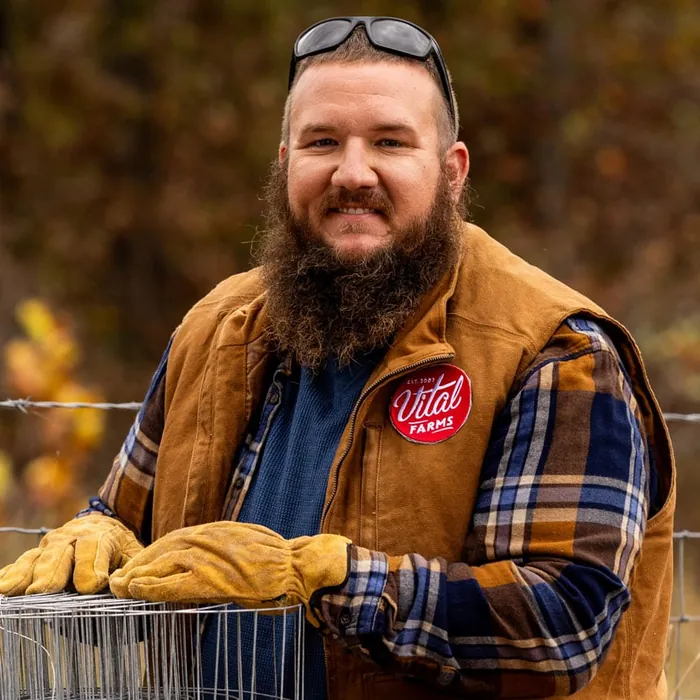
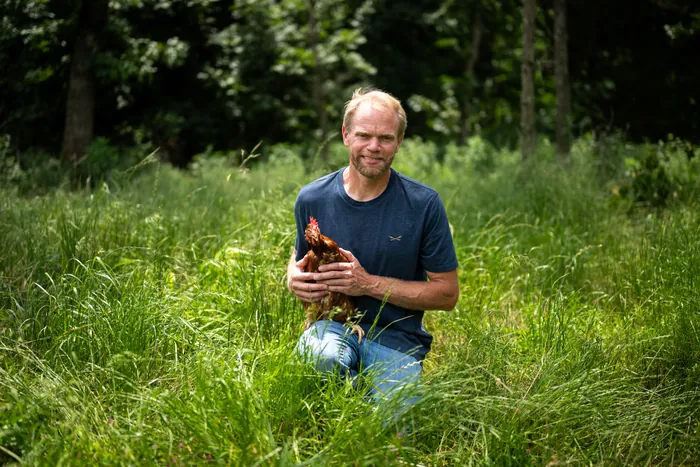

Our Farms
When it comes to producing food responsibly, Vital Farmers are outstanding in their fields and pastures. We’re proud to work with people as committed to animal welfare as we are, and support them with fair pay and ongoing guidance from our dedicated Farm Support Team.
Here's everything you need to know about how our farmers care for their hens.
To protect the girls from pecking each other, we follow an industry-standard practice of dulling the tips of their beaks with an infrared treatment. This process helps ensure they don’t hurt themselves or one another. You can read more about beak trimming from Certified Humane®, one of our auditors, here.
We went public in 2020, which means anyone can buy VITL shares. BlackRock and other investment groups own shares. So do our crew members, who receive annual grants regardless of title or seniority, from our most junior team members to our CEO. If you want to better understand some of our core financials, check out our investor page. It’s all open to the public.
Because male chicks will not grow to become egg-laying hens, it’s the industry norm for hatcheries to identify male chicks upon hatch and euthanize them using methods approved by the American Veterinary Medical Association (AVMA) guidelines.
At Vital Farms, we’re committed to improving the lives of animals through food. In late 2026, we plan to adopt in-ovo sexing technology in collaboration with our primary hatchery supplier, Hy-Line North America.
Hy-Line North America has installed Cheggy technology developed by the German company, AAT, which uses a safe, non-invasive scan to determine whether the developing chick is male or female. This determination occurs before the embryo can feel pain, and the male eggs are prevented from developing further — allowing hatcheries to significantly reduce the number of male chicks that hatch.
The birds hatched after in-ovo sexing will begin arriving on farms in early 2027, and by 2028, we anticipate that the majority of our hens will have come from this process. While not all hatcheries in our network have adopted the technology yet, we’re hopeful that taking this step will help inspire broader change across the industry.
We are committed to actively following the latest developments of in-ovo sexing technology. By dedicating ourselves to raising the standards of our animal welfare practices, we can continue to bring ethical food to the table while better serving the long-term priorities of all our stakeholders.
Vital Farms began with one small family farm and a mission to bring ethically produced food to the table. Over the years, we believe we’ve played an important role in improving the lives of people, animals, and the planet by prioritizing our stakeholders — farmers and suppliers, crew members, communities and the environment, customers and consumers, and stockholders — and treating them as partners. We partner with over 600 farmers who share our passion for animal welfare and sustainable farming practices.
Starting when the girls arrive at one of these farms at about 17 weeks of age, we think they live just about the best life possible for a laying hen. They enjoy acres of open pasture, fresh green grass, and the freedom to come and go from comfortable barns as they please. But farming is not always as straightforward as the picture postcard of hens roaming in fields of flowers.
While we’ve prided ourselves in never taking the easy way out and in doing what we can to change our small corner of the farming world whenever we see the opportunity, there are certain biological and economic realities that are bound to collide. As the amount and quality of eggs our hens lay naturally decline with age, there comes a point when the hens can no longer produce eggs in an economically viable way for our farm partners.
In our early days, when we had just a couple of farm partners located near urban areas, we would place an ad on Craigslist and find homes for our retiring ladies with backyard farmers. Today, for several reasons including current FDA restrictions, that method no longer makes sense.
So, when the time comes for these laying hens, our farmer partners have little choice but to retire their flock. This typically happens either through an acceptable method of euthanasia or by selling them to pet food companies, which we believe helps make use of this precious resource. We consider the end of our hens’ lives as sacred as the rest of their time with us. We’ll continue to advocate for any viable alternatives to a hen’s post-laying life that are sustainable for our farm partners, the hens, and communities at large.
Browse our scrapbook to explore the farms in our network — like Chester Farm, a partner who's been with us for over 10 years and responsible for a lot of the eggs that end up on your breakfast plate.


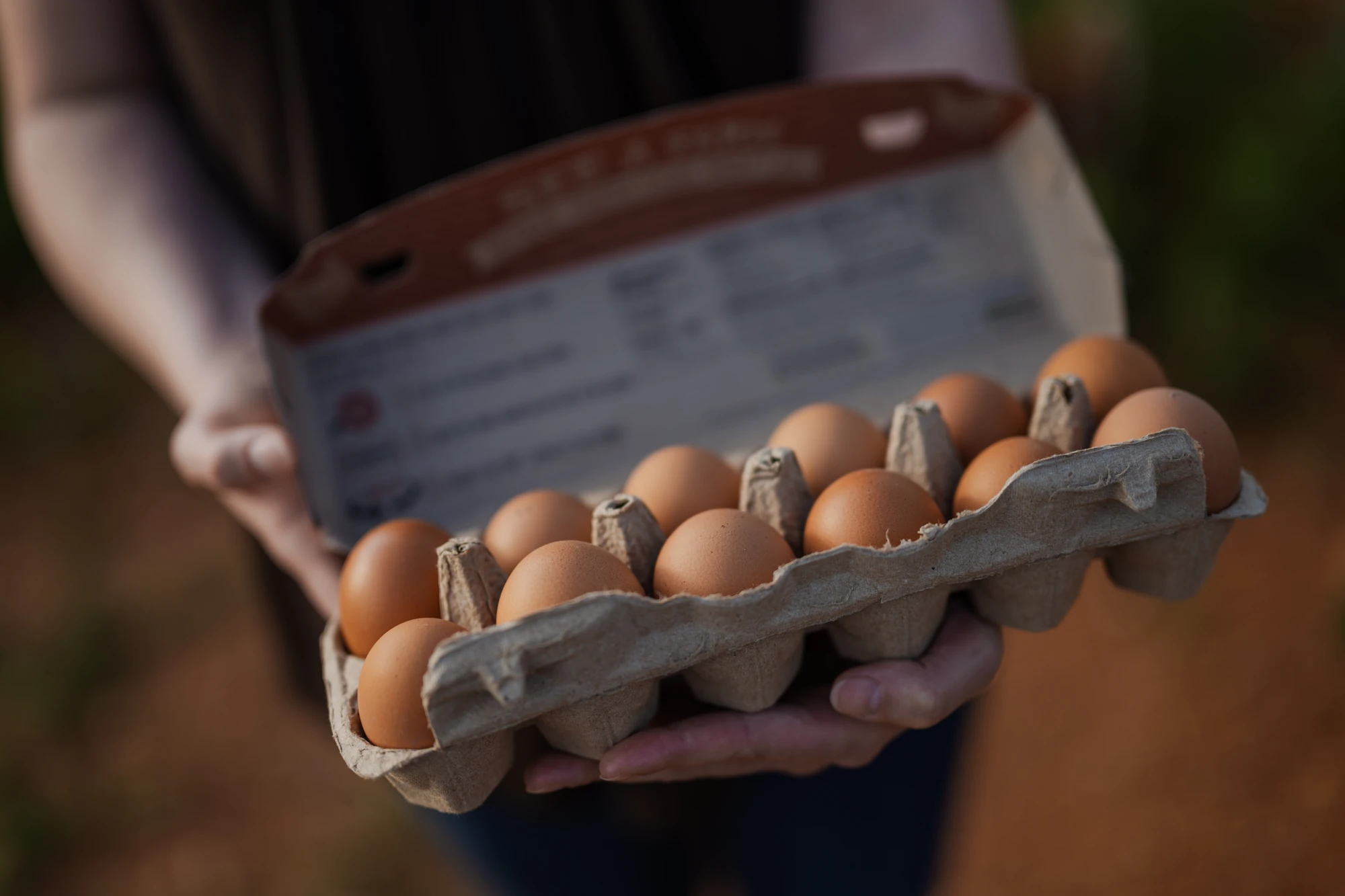
We distribute our products across the country. Chances are, we're closer than you think.